Two ways your child can learn with us
Through the after-school programme at a partner school, or directly with us — at home and online.
My child joins the programme at school
Light Education runs the after-school programme at your child’s school. See what they learn, what they bring home, and how we report progress.
See what your child gets ↓ ✦I want classes for my child
Light Labs: private at-home or online classes, directly with Light Education. Choose Design Lab (graphic design), Ceramic Lab (pottery), Science Lab (science) or Robo Lab (robotics). Custom classes from 4 sessions, K–Grade 12, free trial class.
Open Light Labs →Events & special classes for families
Tap one to ask us directly on WhatsApp. All of them work with any of our 12 programmes.
Holiday classes at home
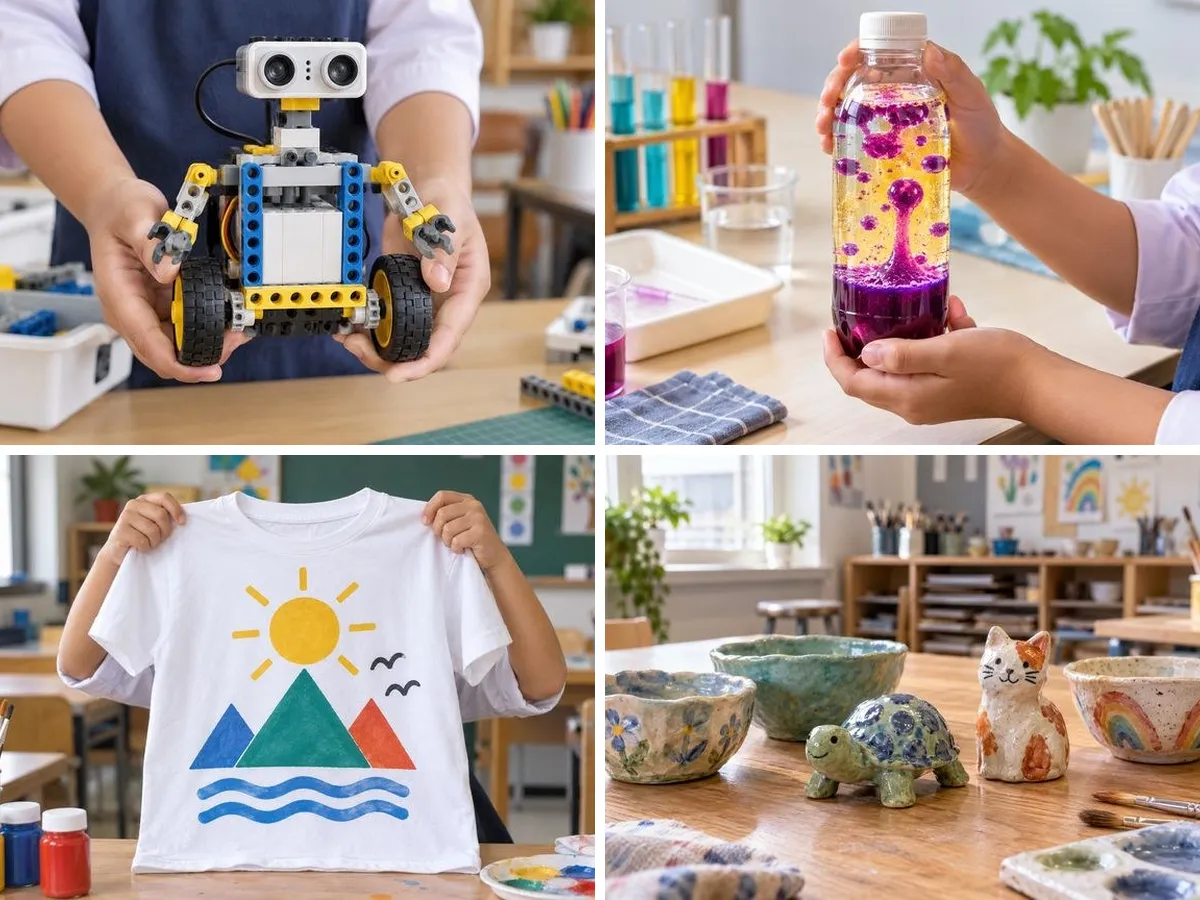
Fill the school break with Light Labs classes: private at home or online with a kit. Choose from 12 programmes; theme and schedule fit your holiday.
💬 Ask about holiday classes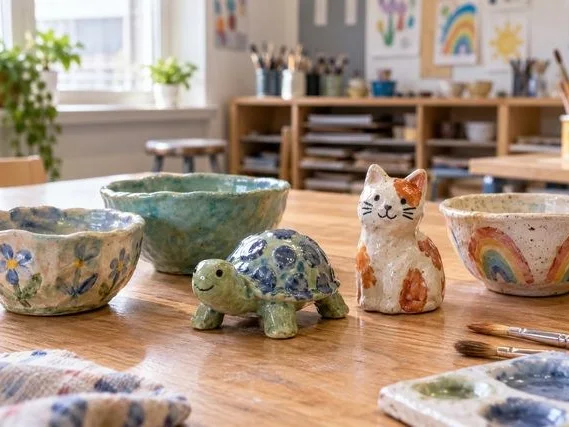
Maker birthday party
2 hours at home or a venue for 6–12 children; every guest makes their own creation to take home.
💬 Book a party
Parent & child class
A 2-hour weekend session with one shared project — ideal for Mother's/Father's Day or Saturdays.
💬 Book a class
4-session themed class
A short 4-session package on one theme from the programme your child enjoys.
💬 Choose a theme
Weekend Workshop
One 90-minute session for communities, cafés, or groups — a step before a package.
💬 Request a workshop
Host Class
A host invites 4–6 neighbour children; weekly teacher visits, shared costs, host's child free.
💬 Become a host
Gift voucher
A 4-session voucher with programme supplies, as a physical or digital card in the giver's name.
💬 Order a voucherFor Parents
What your child gains — and what you get to keep.
A finished project every semester
A working robot, a printed design, a photography scrapbook, a fired ceramic piece — your child brings it home.
A report card and certificate
Progress is recorded across attendance, discipline, creativity, understanding and teamwork.
Safe hands
1 teacher per 4–10 students (2 up to 20), in your child’s own school, right after class.
A path to continue
12 levels per programme, from first steps to competition-ready.
Twelve programmes, one standard
Each programme has 12 levels in four stages — Beginner (Level 1–2), Basic (1–6), Intermediate (1–2) and Advance (1–2). One level is one semester (16 sessions) with its own book, so students can continue from kindergarten to high school.
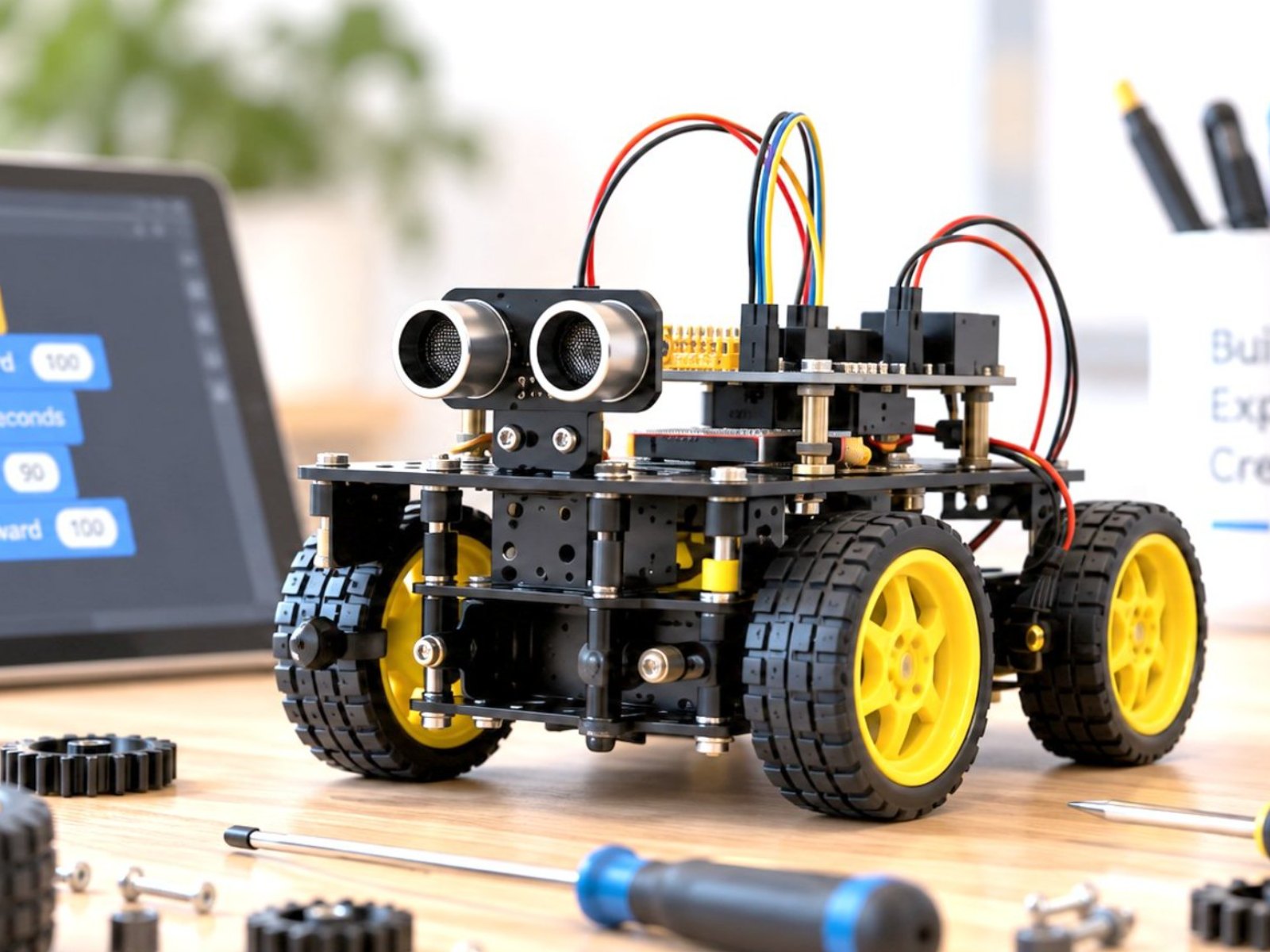 Photo: Robotic
Robotic
Children build robots, learn about motors and sensors, then give commands through programming. Lessons progress from mechanical builds to robot projects controlled from a phone.
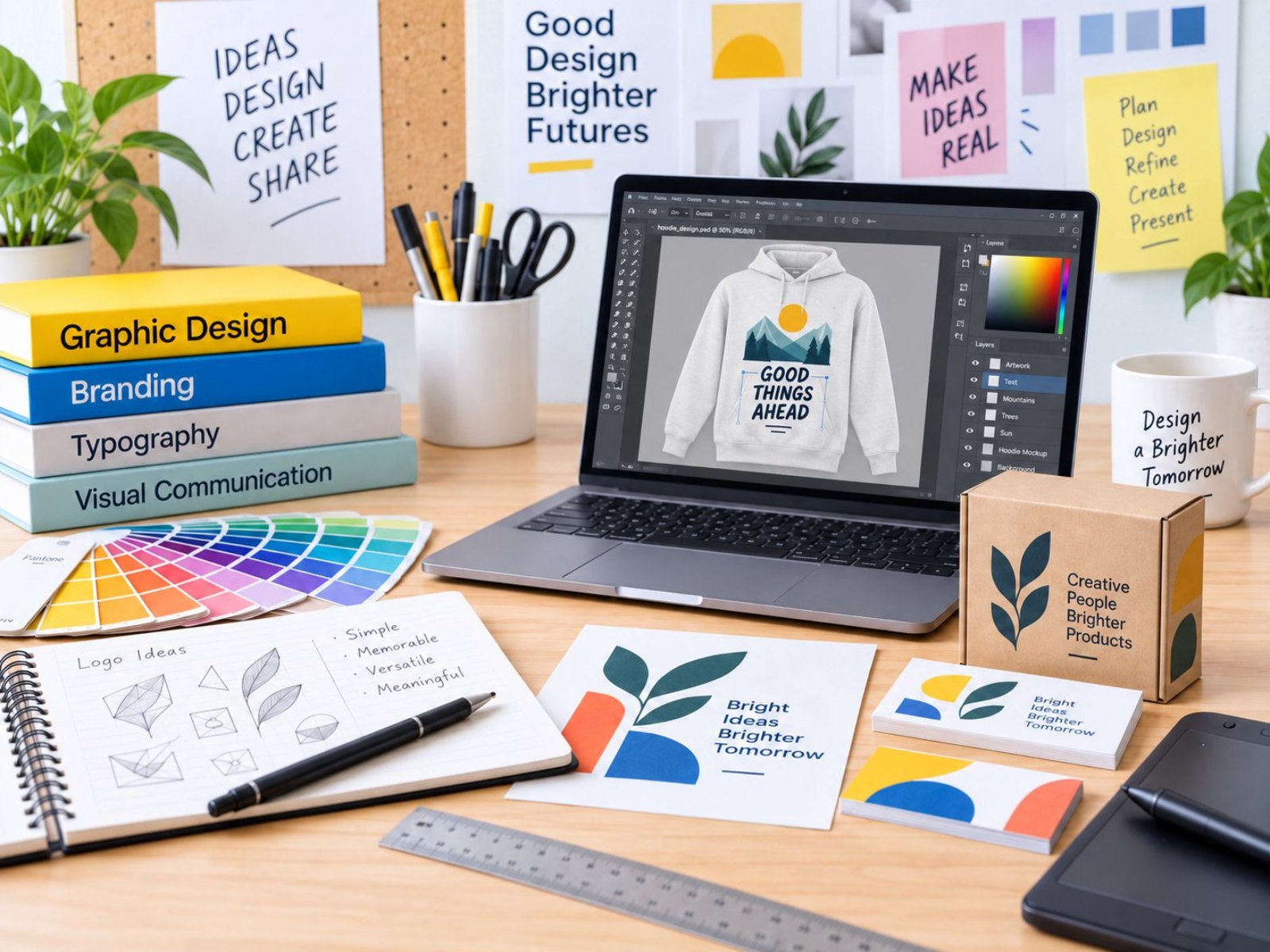 Photo: Graphic Design
Graphic Design
Children work with shape, color, text, and images to express ideas visually. Designs become printed products and a digital portfolio that records their creative journey.
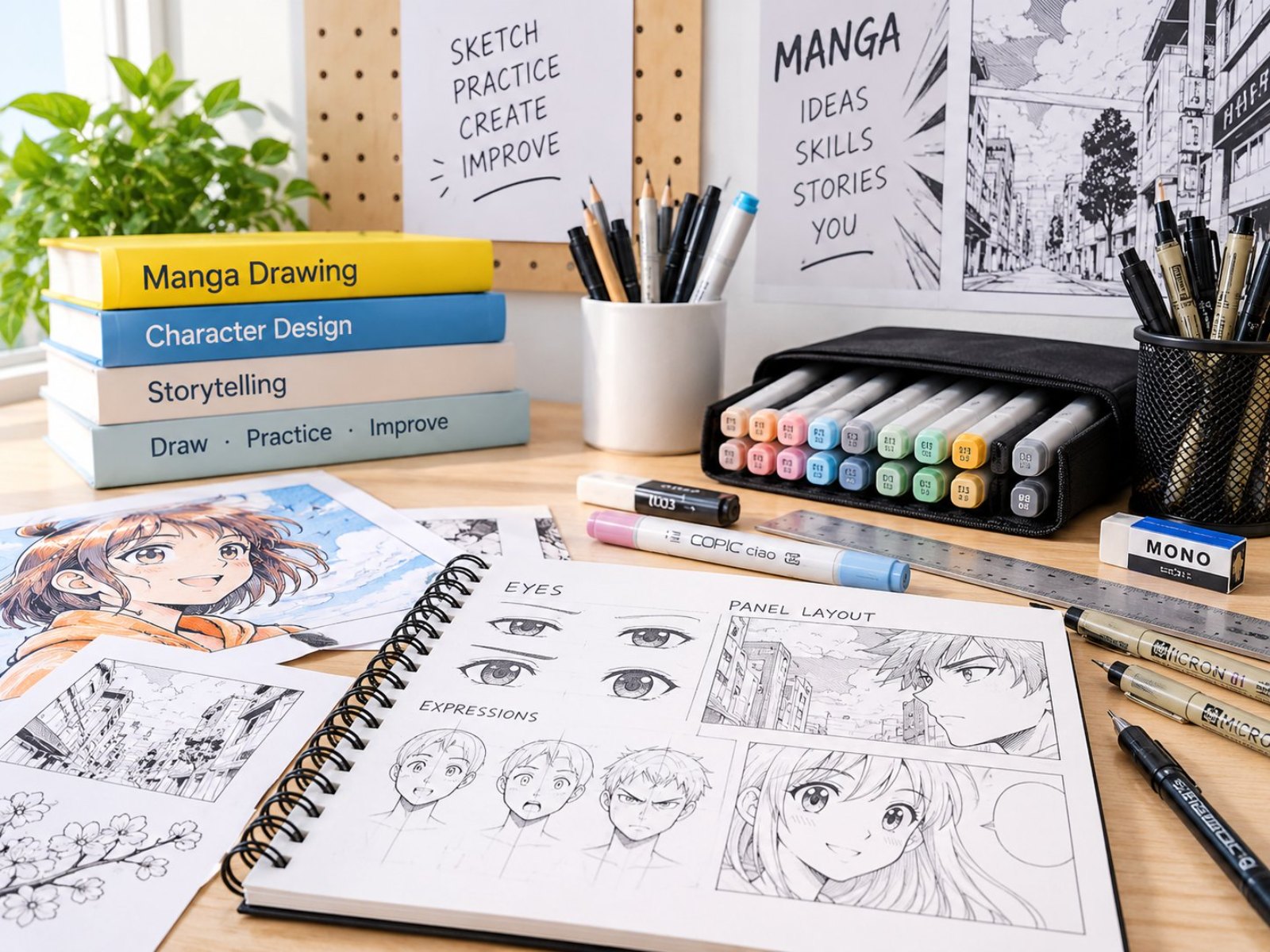 Photo: Manga Drawing
Manga Drawing
Kids draw characters with expressions and poses, then learn coloring and composition. Their stories become comics with characters of their own.
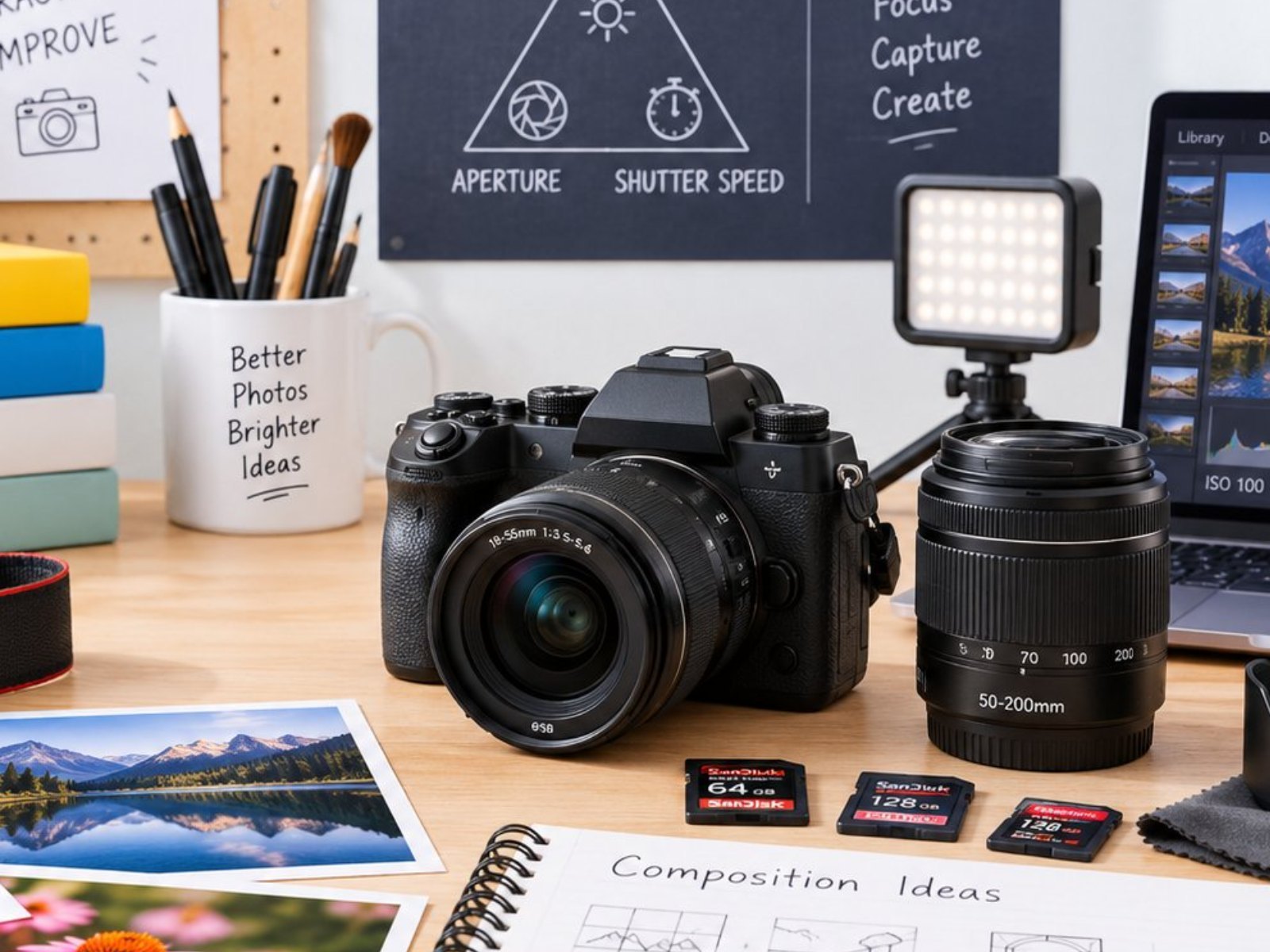 Photo: Photography
Photography
Children learn composition, light, and camera settings through hands-on shooting. They learn to choose techniques for the result they want and collect photos in a personal scrapbook.
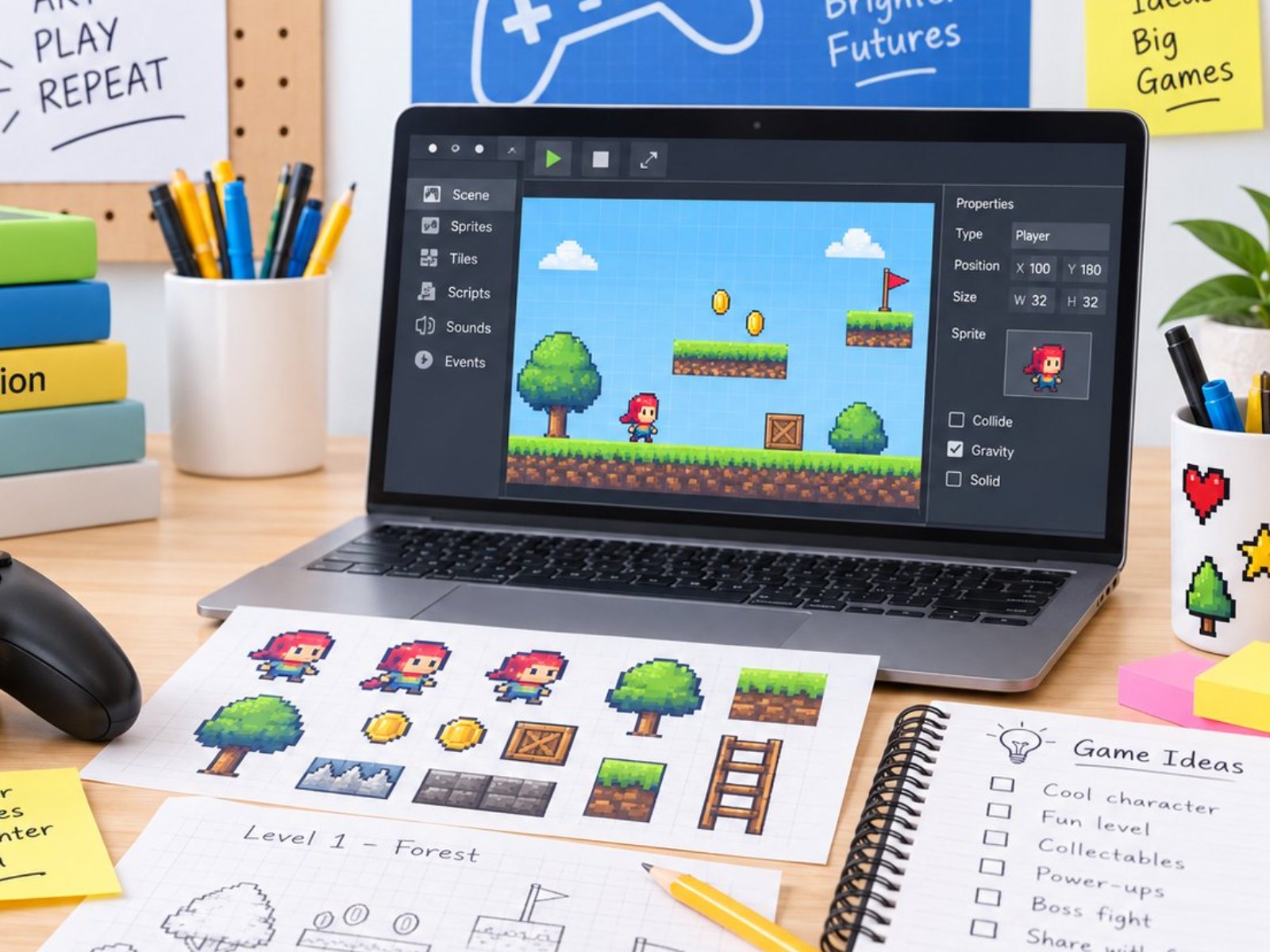 Photo: Games & Apps Maker
Games & Apps Maker
Children learn game and app logic by arranging objects, screens, and simple commands. They build projects they can run, test, and continue from their own files.
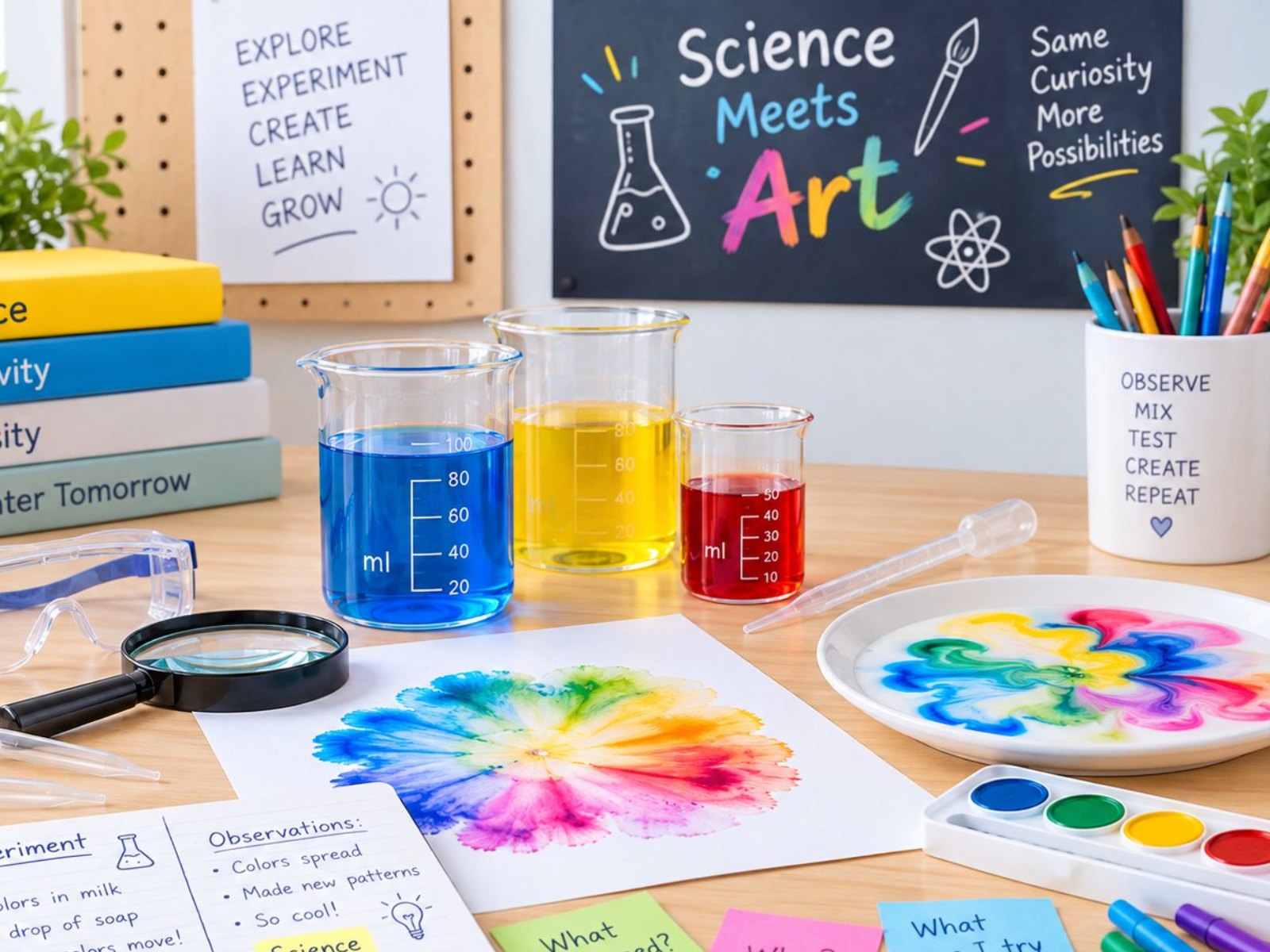 Photo: Science Art
Science Art
Children learn science concepts through experiments with color, reactions, air, water, and light, practicing observation and recording results in an experiment journal.
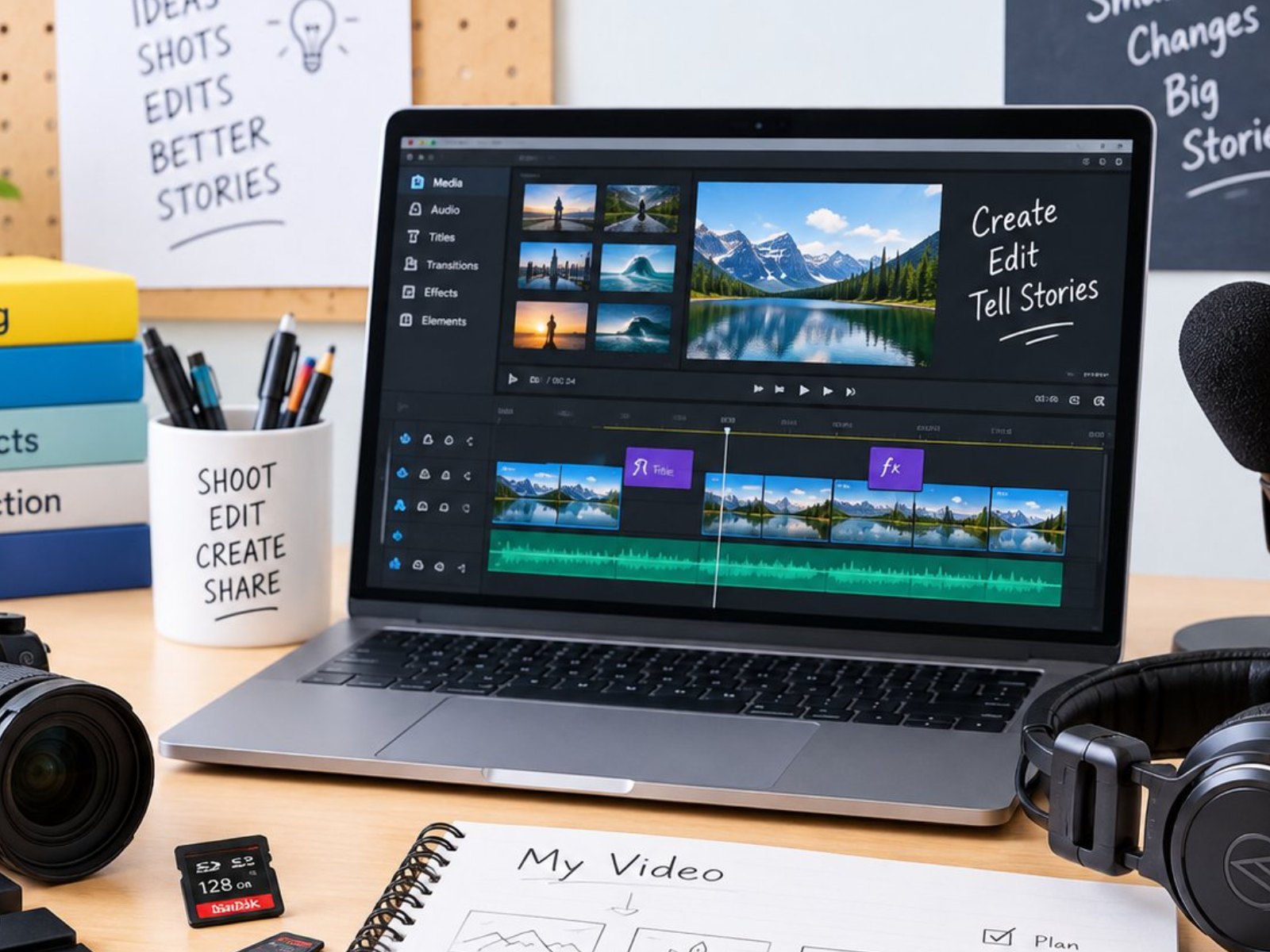 Photo: Video Editing
Video Editing
Kids edit footage, sound, and transitions into a complete video. From bumpers and intros to short films, their videos become a digital portfolio.
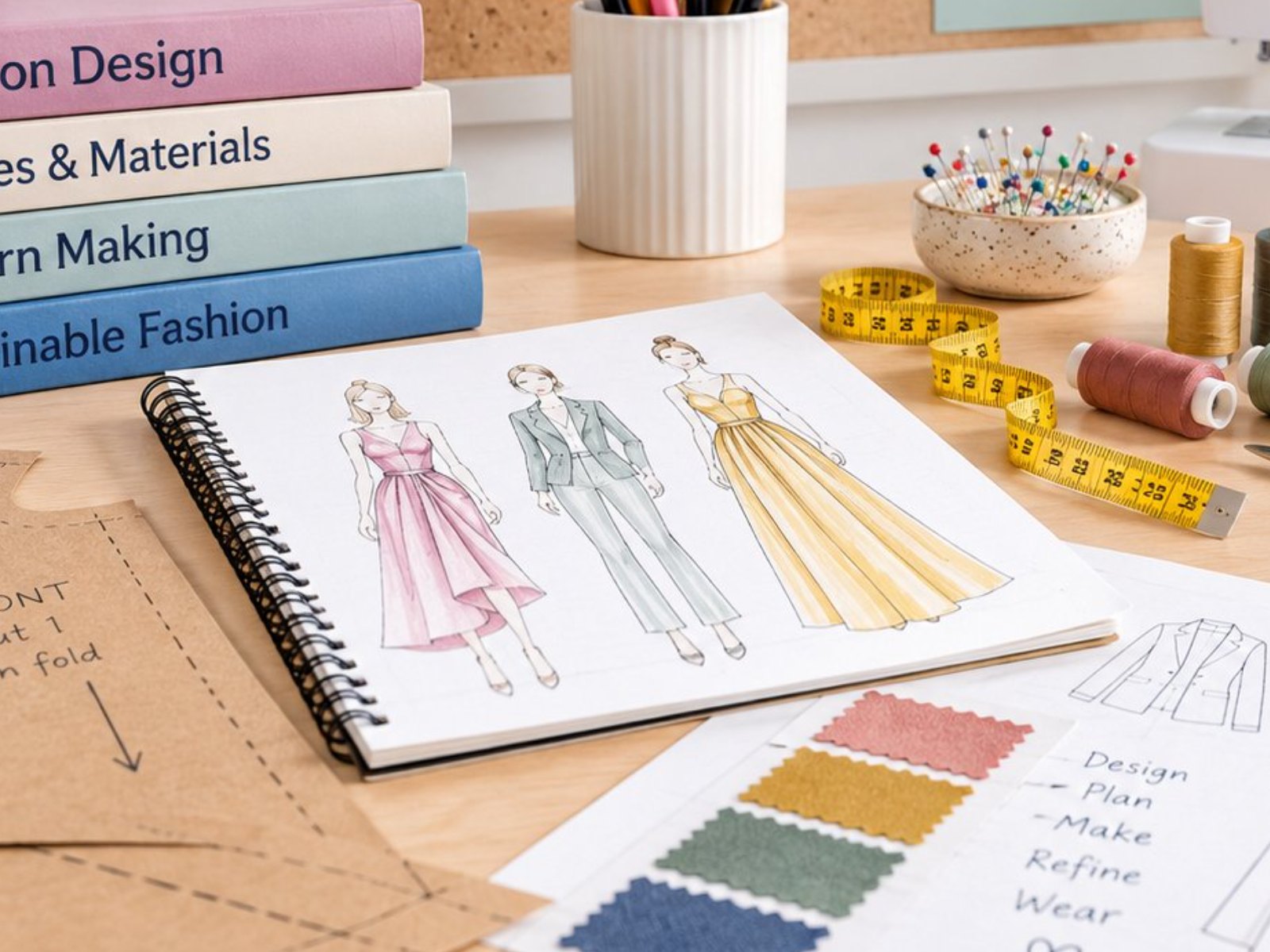 Photo: Fashion Design
Fashion Design
Kids learn body proportions, fashion drawing, and how to combine colors, patterns, and fabrics. From their sketches they make miniature outfits, then build a small themed collection.
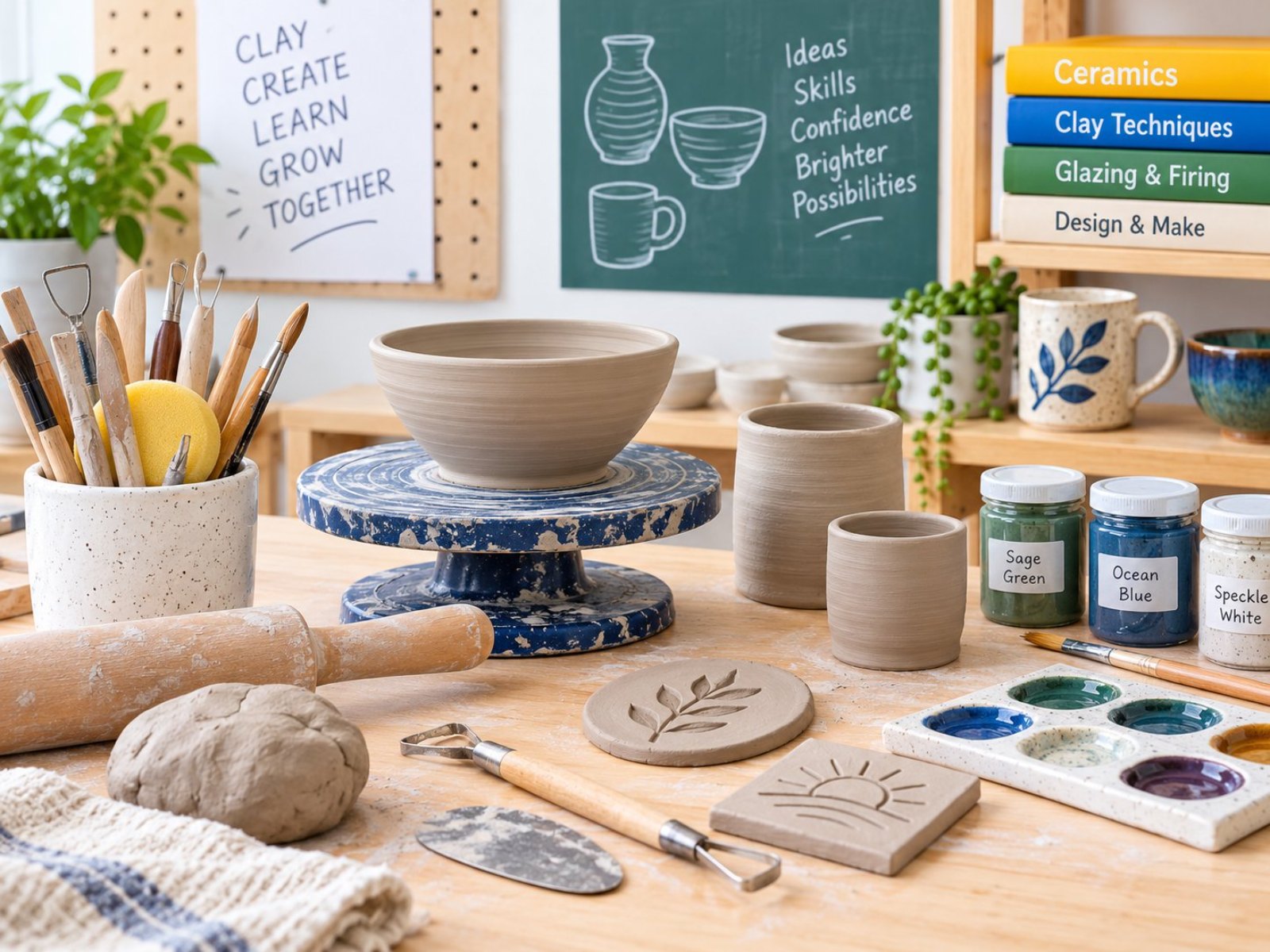 Photo: Ceramic
Ceramic
Kids shape clay with pinch, coil, and assembly techniques before moving to the pottery wheel. Pieces are finished by level, including firing and painting or glazing.
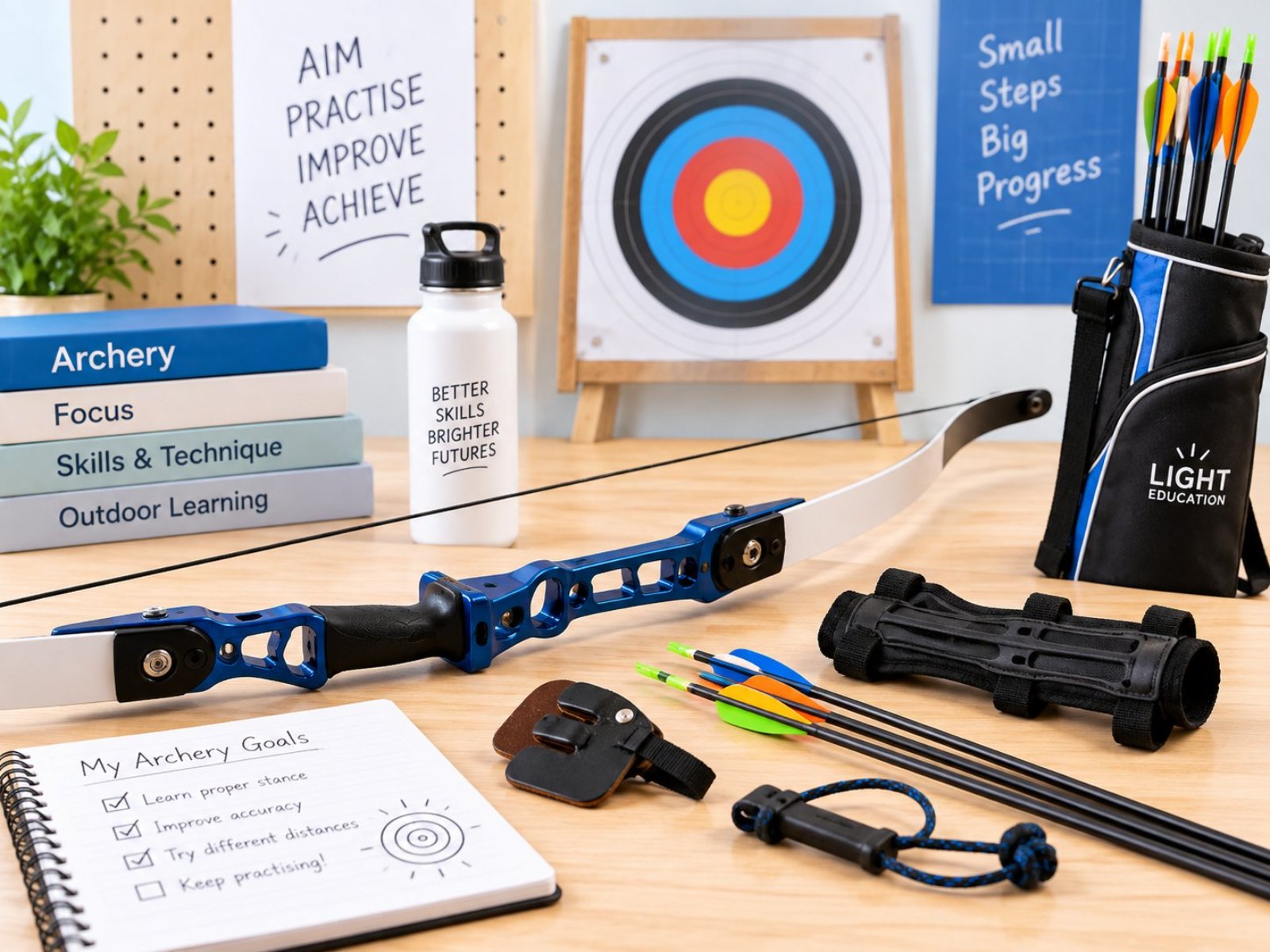 Photo: Archery
Archery
Kids learn safety rules and archery technique, from stance, drawing the bow, and aiming to releasing the arrow. Practice progresses to scoring and consistent aim.
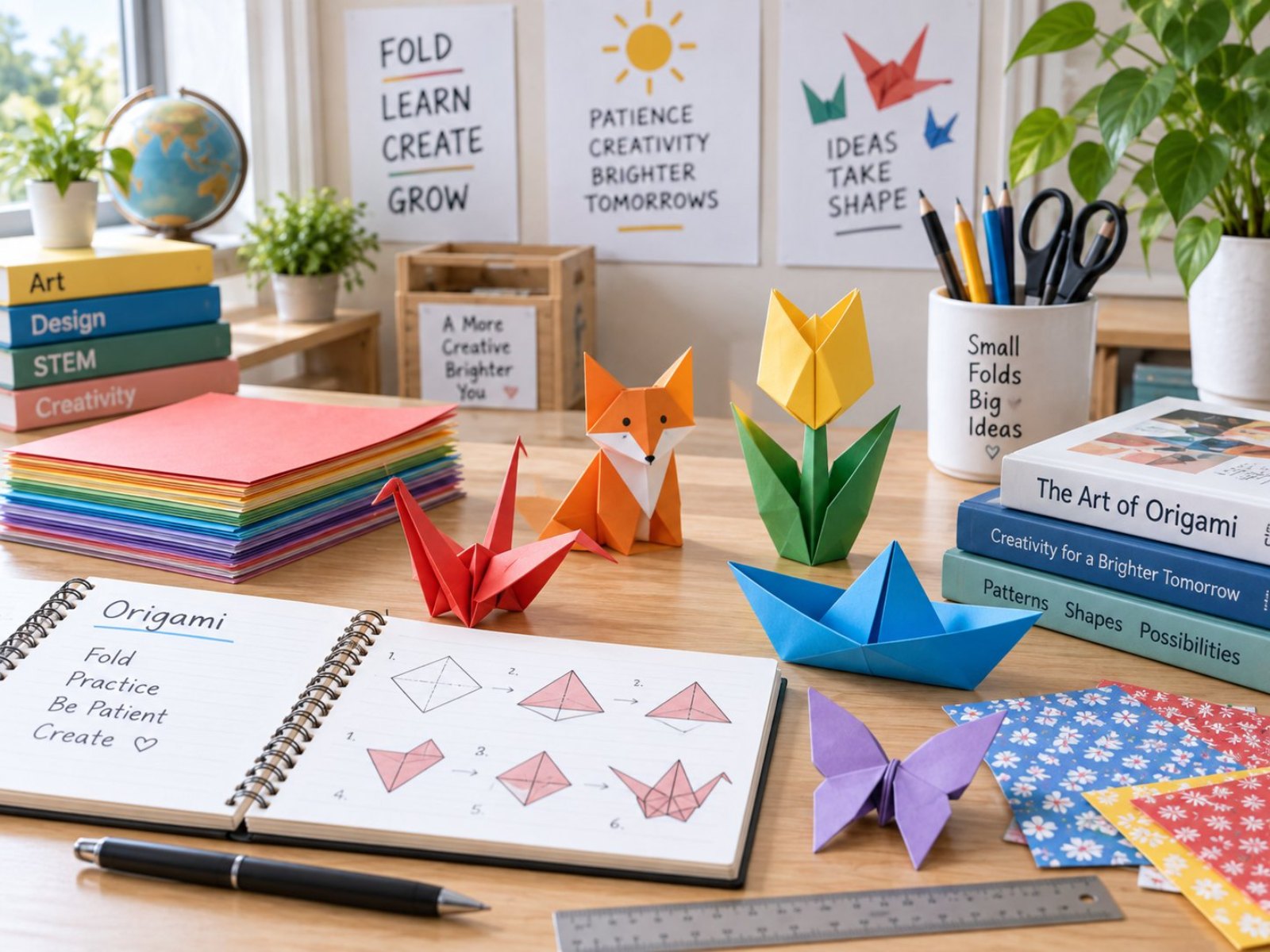 Photo: Origami
Origami
Kids learn basic folds and how to read diagrams to shape paper. Skills grow from single-sheet pieces to modular models with more varied shapes and colors.
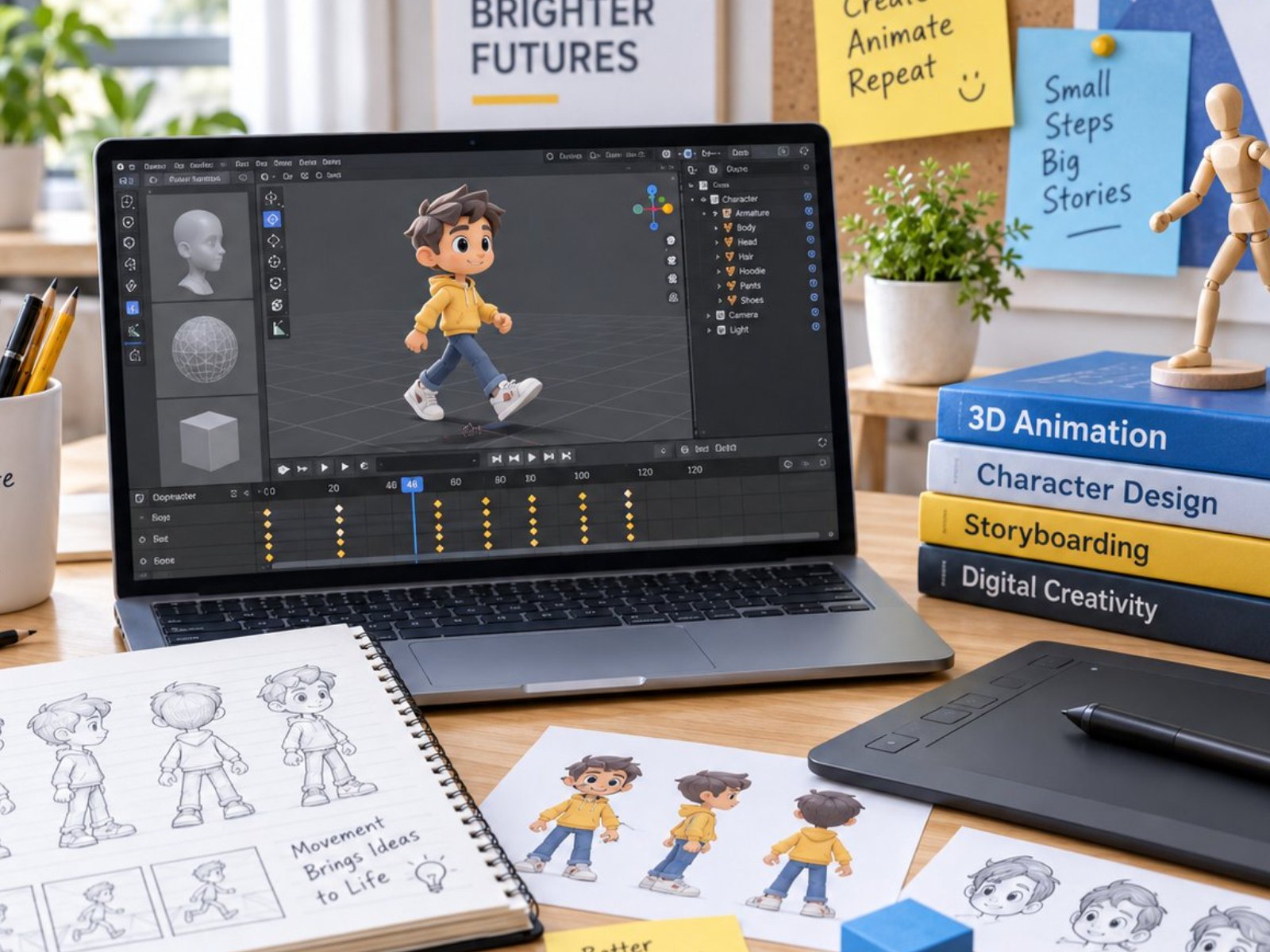 Photo: 3D Modeling
3D Modeling
Kids sculpt three-dimensional characters and set up their movement. Their models grow into short animations, complete with sound.
Ask your school about Light Education
If your school does not yet run our programmes, send us the school’s name and we will get in touch with them.