Photography
Children learn composition, light, and camera settings through hands-on shooting. They learn to choose techniques for the result they want and collect photos in a personal scrapbook.
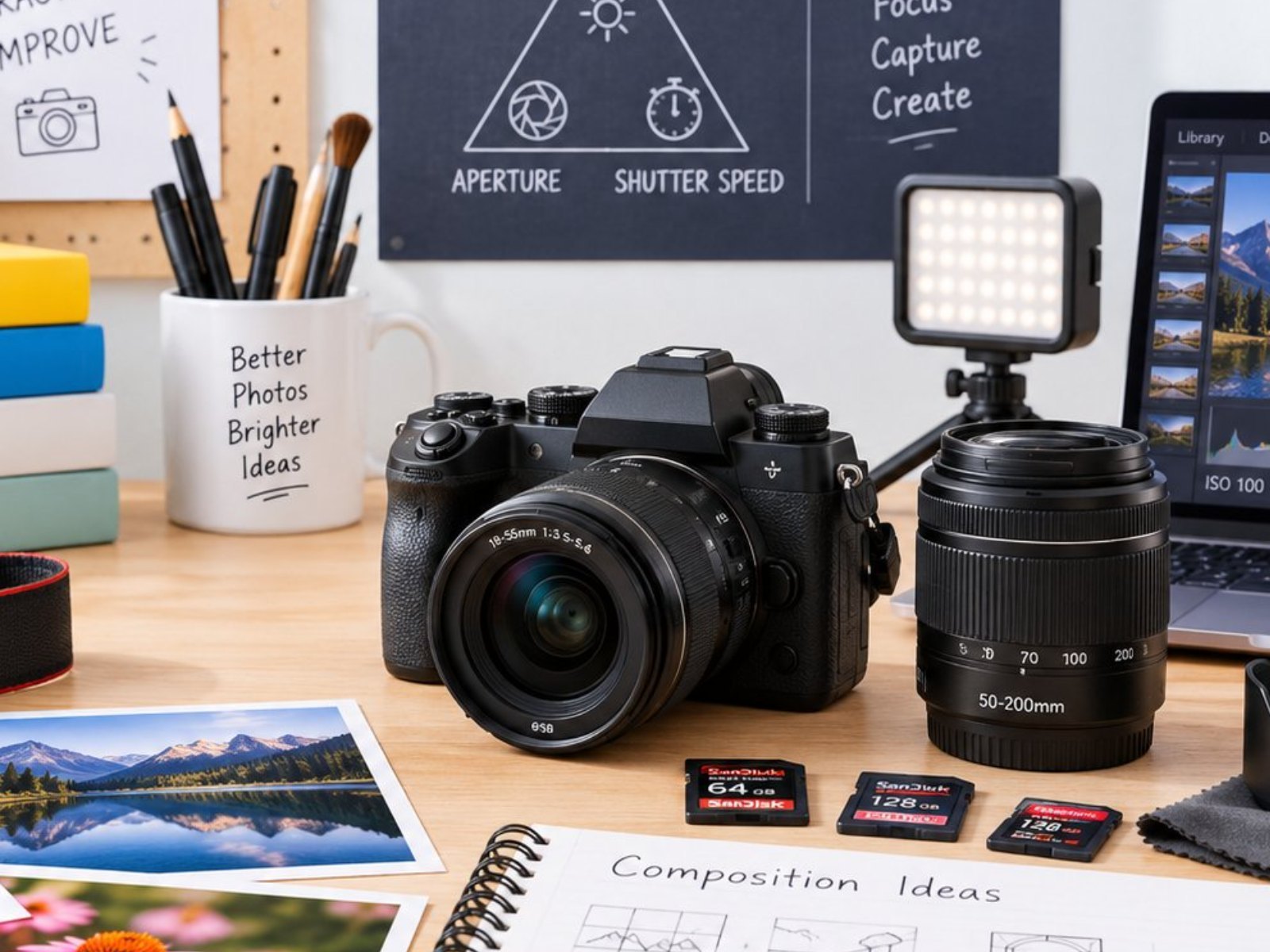 Photo: Photography (5:4)
Class details
offline at school · online available
1 hr/week
8–25/class (offline) · 50 (online)
Indonesian or English
1 teacher per 4–10 students · 2 teachers up to 20 · >20 opens a second class · extra teacher free
A workbook for every level + their own photos, building up to a themed 10-photo portfolio for exhibition
Computer & stable internet (online classes only)
Classroom (plus outdoor space for some activities)
What every student receives
- Printed scrapbook of their own photos
- Memory card / flash drive with all photos
- Photography step-by-step workbook
- Report card & progress report
- Photography certificate every semester
- Photo & video documentation on request
12 levels · 4 stages
Beginner 1–2 · Basic 1–6 · Intermediate 1–2 · Advance 1–2
16 sessions and one book per level
Kindergarten in Beginner, elementary to high school in Basic 1
2 books · 2 semesters (±1 year)
Kindergarten (K2) – Grade 1
Tools / softwarePaper viewfinders, then a kids' camera or a digital camera on Auto
- Looking through a frame: colours, shapes, near and far
- Holding a camera safely and taking sharp photos
- One main subject and window light
 Sample work Beginner 1
 Sample work Beginner 2
 Sample work Beginner 3
6 books · 6 semesters (±3 years)
Elementary (new students up to high school start here too)
Tools / softwareDigital camera, then DSLR
- Camera buttons, viewpoints and the direction of light
- Composition: rule of thirds, patterns, symmetry, shadows
- Aperture, ISO, shutter speed and photo stories
 Sample work Basic 1
 Sample work Basic 2
 Sample work Basic 3
2 books · 2 semesters (±1 year)
After Basic, mostly middle school
Tools / softwareDSLR in manual mode, studio lights, Adobe Lightroom
- Full manual mode, histograms and metering
- Panning, macro and studio lighting
- Product shots and honest basic editing
 Sample work Intermediate 1
 Sample work Intermediate 2
 Sample work Intermediate 3
2 books · 2 semesters (±1 year)
After Intermediate, mostly high school
Tools / softwareDSLR in manual mode, Adobe Lightroom
- Photo essays and school event coverage
- A real client brief and a competition entry
- A 15-photo portfolio and a public exhibition
 Sample work Advance 1
 Sample work Advance 2
 Sample work Advance 3
For every school level
Every student follows the same path; the starting point, pace and depth of the work match their age.
- Starts at
- Beginner 1
- How they learn
- Paper viewfinders and kids' cameras, fully guided by the teacher.
- Sample work
- Color Hunt Book, Big & Small Gallery
- Starts at
- Beginner 2 (grade 1) or Basic 1
- How they learn
- Slower pace, fewer steps, with plenty of teacher help.
- Sample work
- Toy Safari, Mini Giant
- Starts at
- Basic 1
- How they learn
- One book per semester, growing independence.
- Sample work
- Pattern and symmetry photos, a toy silhouette, a simple photo story
- Starts at
- Basic 1 (new) · Intermediate (continuing)
- How they learn
- Faster pace and deeper projects; moves on to DSLR and manual mode.
- Sample work
- LED light painting, Manual Mode Challenge, Tiny World Macro
- Starts at
- Basic 1 (new) · Advance (continuing)
- How they learn
- Independent, project-based, up to a photo essay and a public exhibition.
- Sample work
- A 10-photo portfolio, Photo Essay 12 Frames, Personal Portfolio 15
- Starts at
- Custom class · can continue to Intermediate
- How they learn
- Topics, number of sessions and schedule set with the school; projects that are useful right away.
- Sample work
- Product catalogue photos, a class activity photo series, 6 printed photos for a mini exhibition
From the Photography classroom
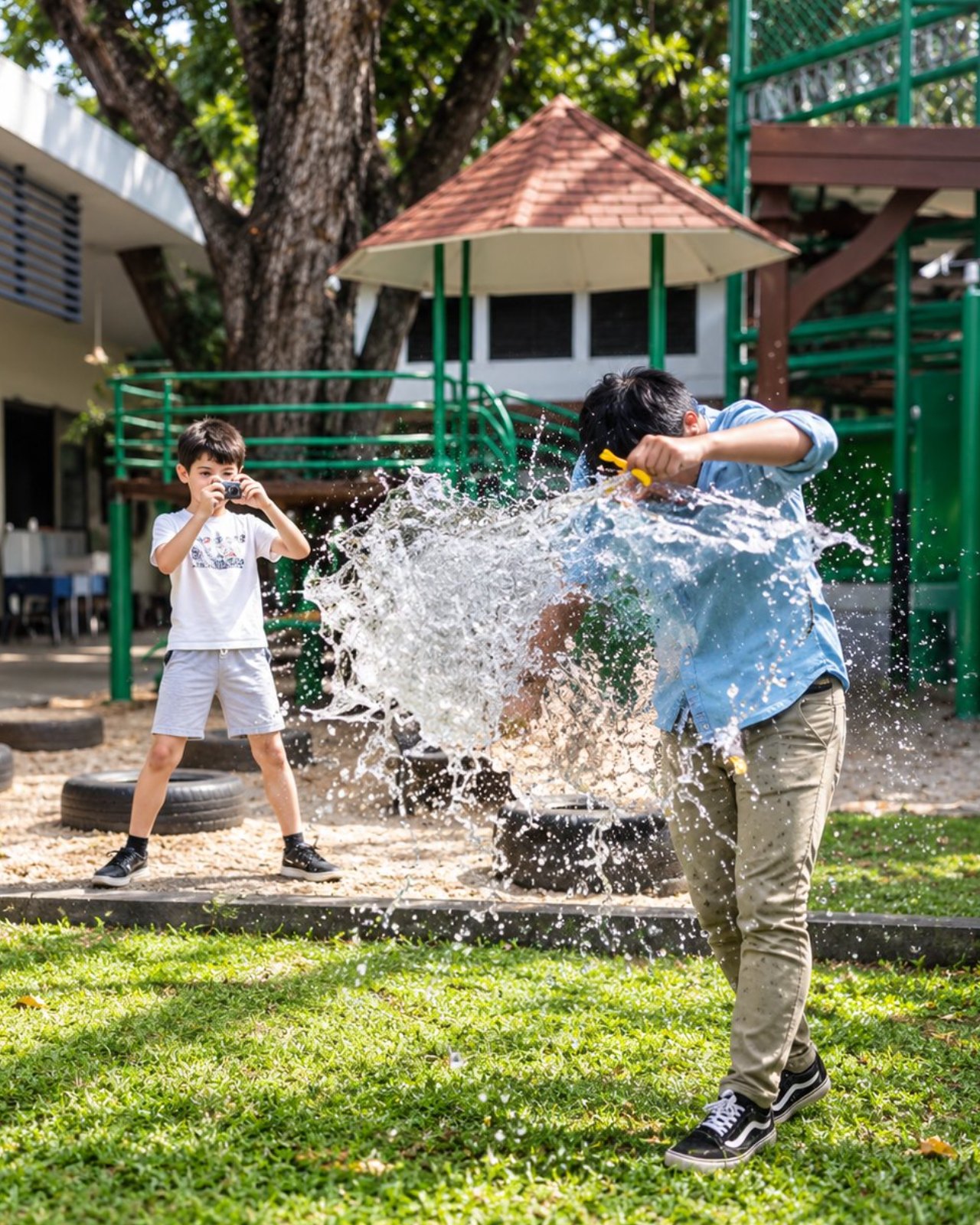 Photo: Photography 1
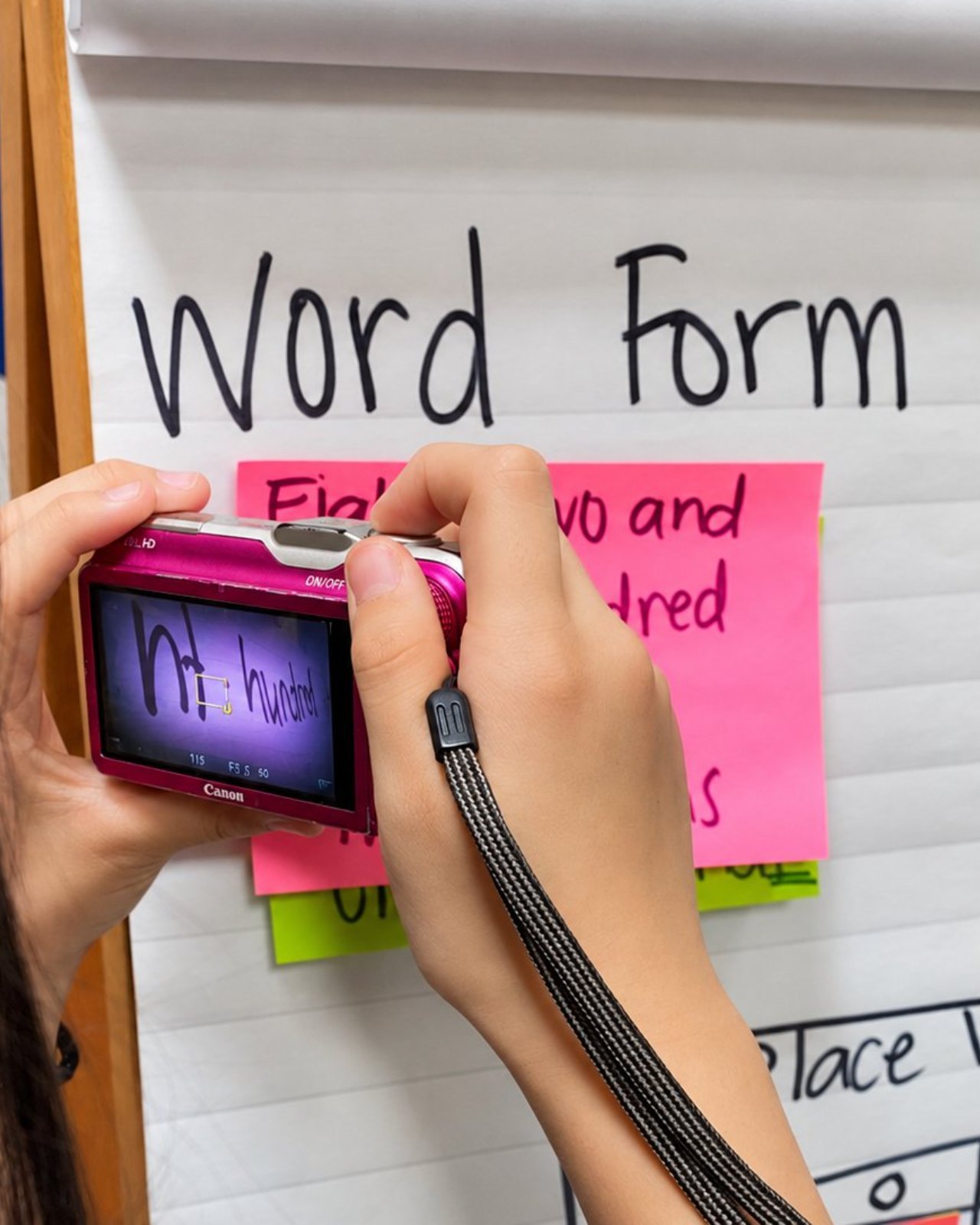 Photo: Photography 2
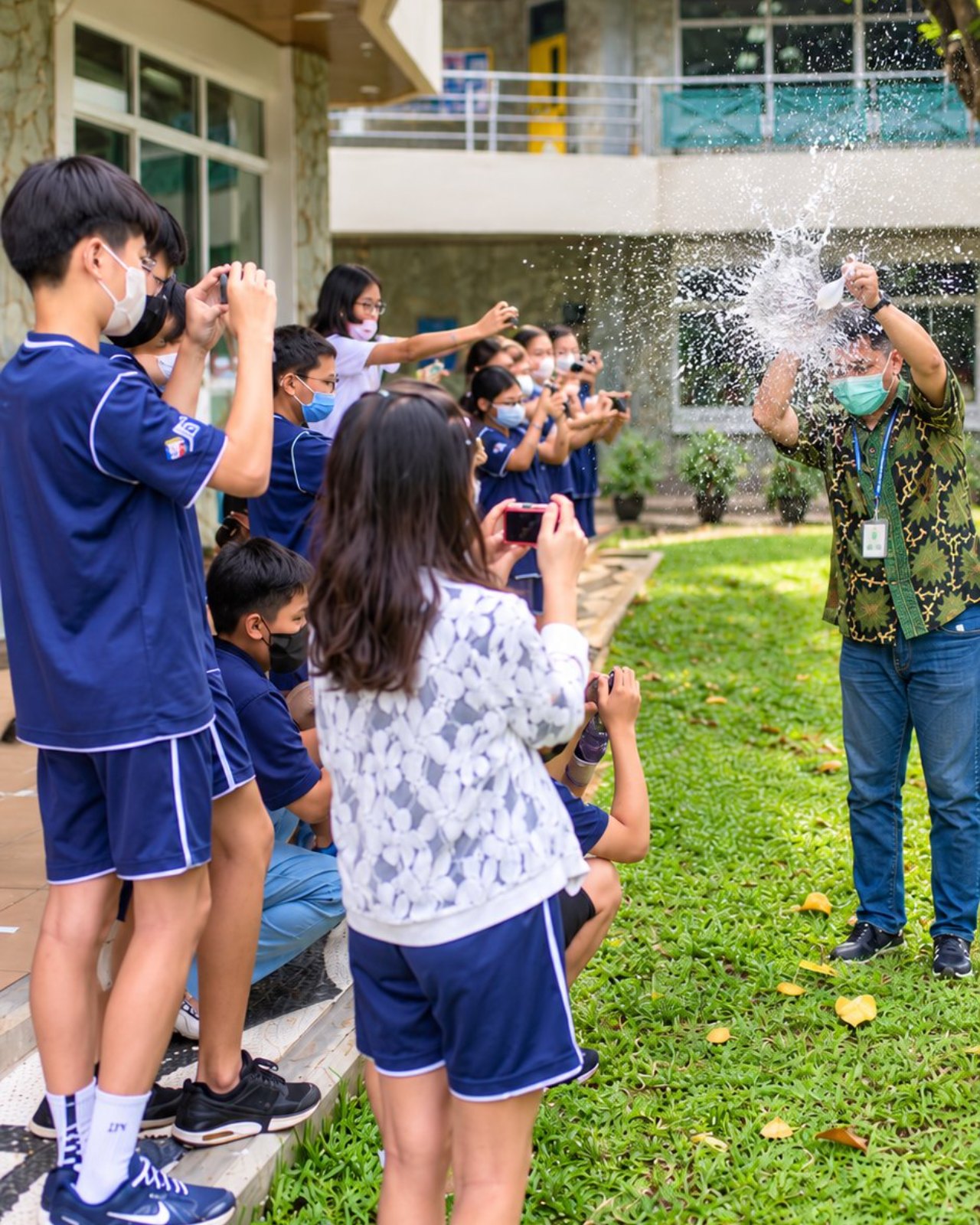 Photo: Photography 3
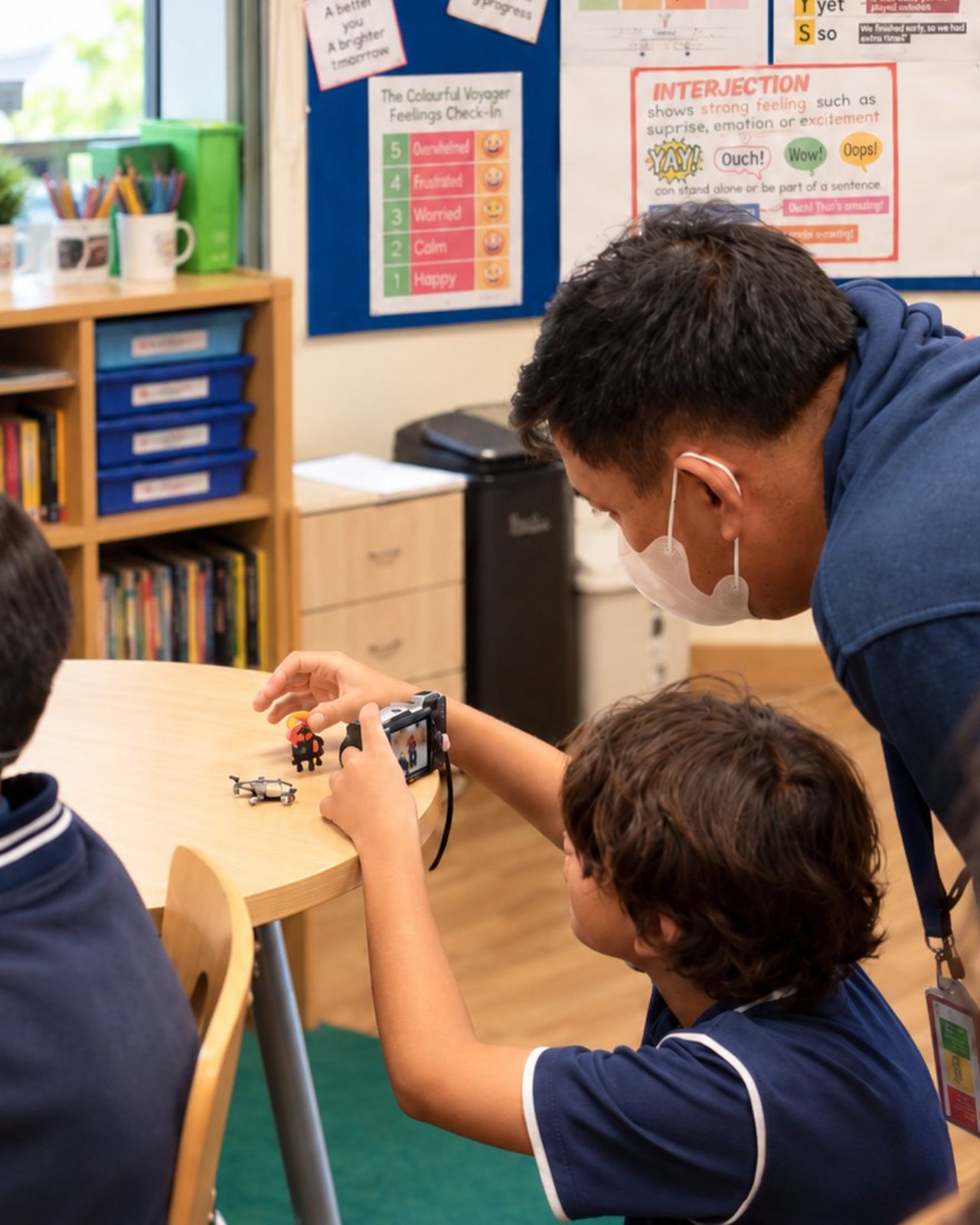 Photo: Photography 4
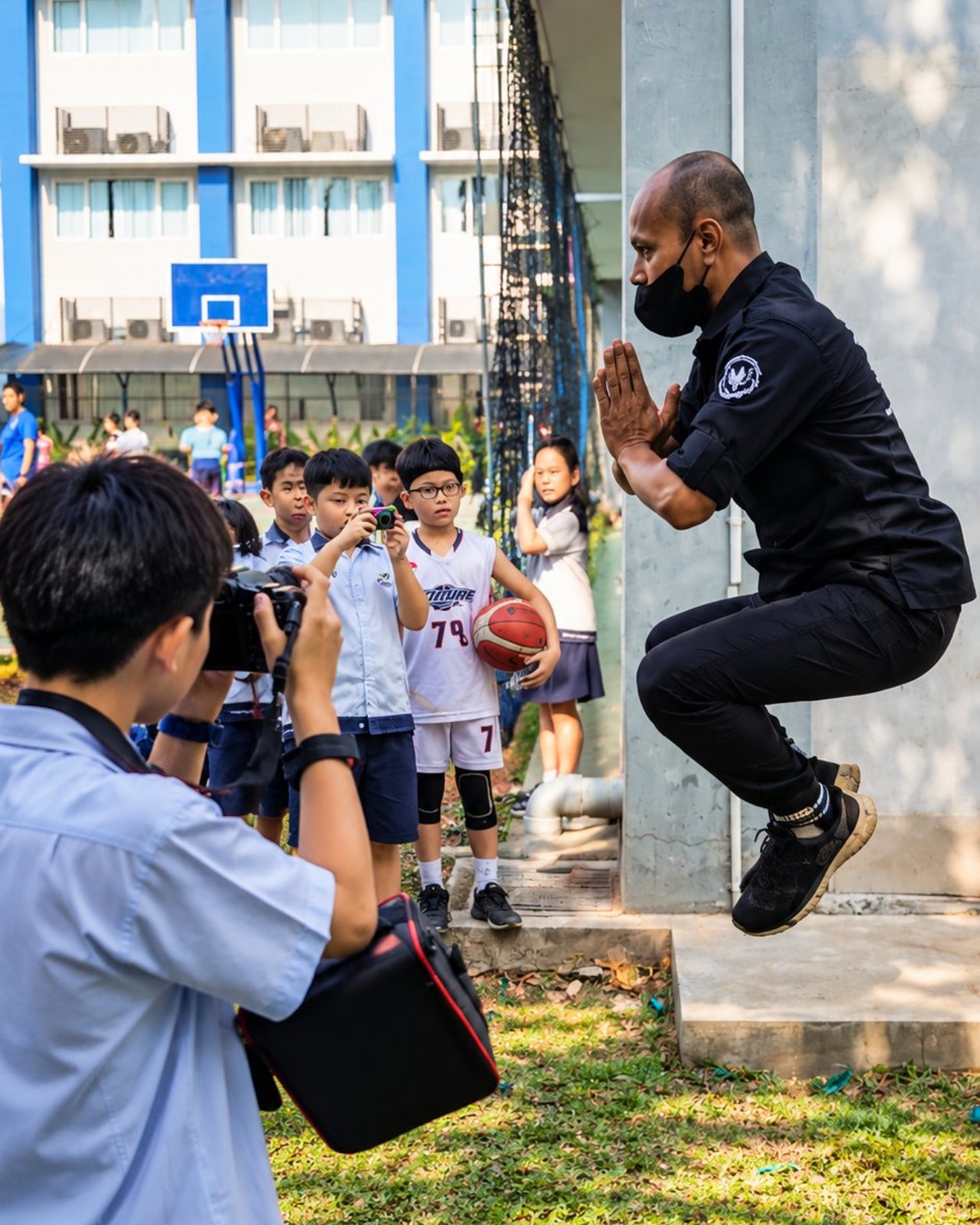 Photo: Photography 5
Questions about Photography
Does the school need a special room?
Classroom (plus outdoor space for some activities).
What do students need to bring?
Computer & stable internet (online classes only).
How many students are in one class?
Capacity: 8–25/class (offline) · 50 (online). One teacher guides 4–10 students; up to 20 students get two teachers; above 20 a second class opens. Extra teachers at no cost.
How long do students stay in this programme?
There are 12 levels in four stages: Beginner 1–2, Basic 1–6, Intermediate 1–2 and Advance 1–2. One level is one semester (16 sessions) with its own book, so students can continue for years.
How is it different for kindergarten and high school?
The path is the same, but the starting point, pace and depth of work differ. Kindergarten starts in Beginner; new students from elementary to high school start in Basic 1, with middle and high schoolers moving faster and more independently. See "For every school level".
Is there a class for parents or teachers?
Yes. Adult classes are custom-built with the school: topics, number of sessions and schedule are agreed together. Participants who want to continue can move on to the Intermediate stage.
Which cameras and apps are used?
Beginner uses paper viewfinders and kids' cameras, Basic uses a digital camera and then a DSLR, and Intermediate and Advance use a DSLR in manual mode with Adobe Lightroom for editing. Students keep all their photos.
Can the class run online?
Yes. Classes run offline at school, and an online version is also available.
Can the school try it first?
Yes. We run a free demo class or ASA Expo at your school before enrolment opens.