
Fashion Design
Kids learn body proportions, fashion drawing, and how to combine colors, patterns, and fabrics. From their sketches they make miniature outfits, then build a small themed collection.
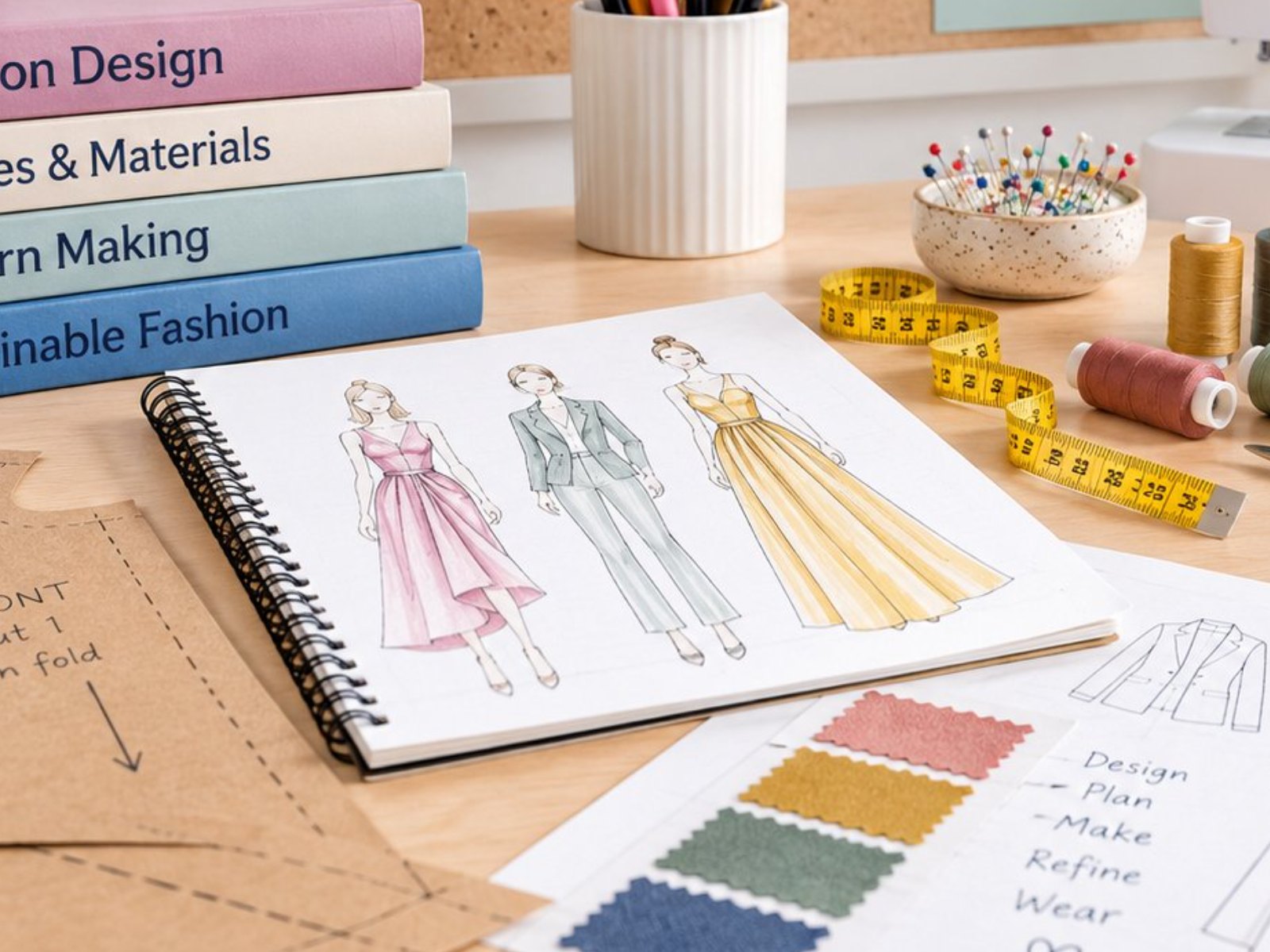 Photo: Fashion Design (5:4)
Class details
offline at school · online available
1 hr/week
8–25/class (offline) · 50 (online)
Indonesian or English
1 teacher per 4–10 students · 2 teachers up to 20 · >20 opens a second class · extra teacher free
A workbook for every level + sewing materials in class, and students take home everything they make
Computer & stable internet (online classes only)
Classroom (and outdoor area for some activities)
What every student receives
- Miniature outfits from own designs (felt & fabric), per the book
- Fashion design book & sketchbook
- Design tools in a design bag
- Report card & progress notes
- Fashion Design certificate each semester
- Photo & video documentation on request
12 levels · 4 stages
Beginner 1–2 · Basic 1–6 · Intermediate 1–2 · Advance 1–2
16 sessions and one book per level
Kindergarten in Beginner, elementary to high school in Basic 1
2 books · 2 semesters (±1 year)
Kindergarten (K1–K2)
Tools / softwarePaper dolls, pre-cut felt, lacing cards; no needles
- Colour, pattern and fabric through paper dolls
- Felt collage and paper weaving
- Lacing cards as a first sewing practice
 Sample work Beginner 1
 Sample work Beginner 2
 Sample work Beginner 3
6 books · 6 semesters (±3 years)
Elementary (new students up to high school start here too)
Tools / softwareNeedle, thread, cotton and felt, teacher's patterns; hand sewing
- Line, colour, figures and basic hand stitches
- Proportion, moodboards, zips and doll outfits
- A design brief and a three-piece mini collection
 Sample work Basic 1
 Sample work Basic 2
 Sample work Basic 3
2 books · 2 semesters (±1 year)
After Basic, mostly middle school
Tools / softwareCroquis, pattern paper, sewing machine (teacher-supervised)
- Fashion illustration with croquis
- Drafting own patterns and machine sewing
- Denim upcycling and a mini lookbook
 Sample work Intermediate 1
 Sample work Intermediate 2
 Sample work Intermediate 3
2 books · 2 semesters (±1 year)
After Intermediate, mostly high school
Tools / softwareSewing machine, pattern paper, chosen fabrics, camera/phone
- Trend research, moodboards and a client brief
- Toile, fitting and a design portfolio
- A themed three-look collection and fashion show
 Sample work Advance 1
 Sample work Advance 2
 Sample work Advance 3
For every school level
Every student follows the same path; the starting point, pace and depth of the work match their age.
- Starts at
- Beginner 1
- How they learn
- No needles: paper dolls, felt and lacing cards, guided by the teacher.
- Sample work
- Dress-Up Paper Doll, Lacing Shoe Card
- Starts at
- Basic 1
- How they learn
- Slower pace, hand sewing with close teacher support.
- Sample work
- Stitch sampler, felt bookmark, hoop embroidery
- Starts at
- Basic 1
- How they learn
- One book per semester, growing independence sewing from the teacher's patterns.
- Sample work
- Zip pouch, drawstring bag, gathered doll skirt
- Starts at
- Basic 1 (new) · Intermediate (continuing)
- How they learn
- Faster pace and deeper projects; moves on to own patterns and the sewing machine.
- Sample work
- Mini dress, Everyday Tote Bag, Elastic-Waist Skirt
- Starts at
- Basic 1 (new) · Advance (continuing)
- How they learn
- Independent, brief-based, up to a themed collection and a fashion show.
- Sample work
- Three-piece mini collection, Client Brief Outfit, Themed Capsule Collection
- Starts at
- Custom class · can continue to Intermediate
- How they learn
- Topics, number of sessions and schedule set with the school; projects that are useful right away.
- Sample work
- A T-shirt tote bag, a cotton drawstring bag, an elastic-waist skirt
From the Fashion Design classroom
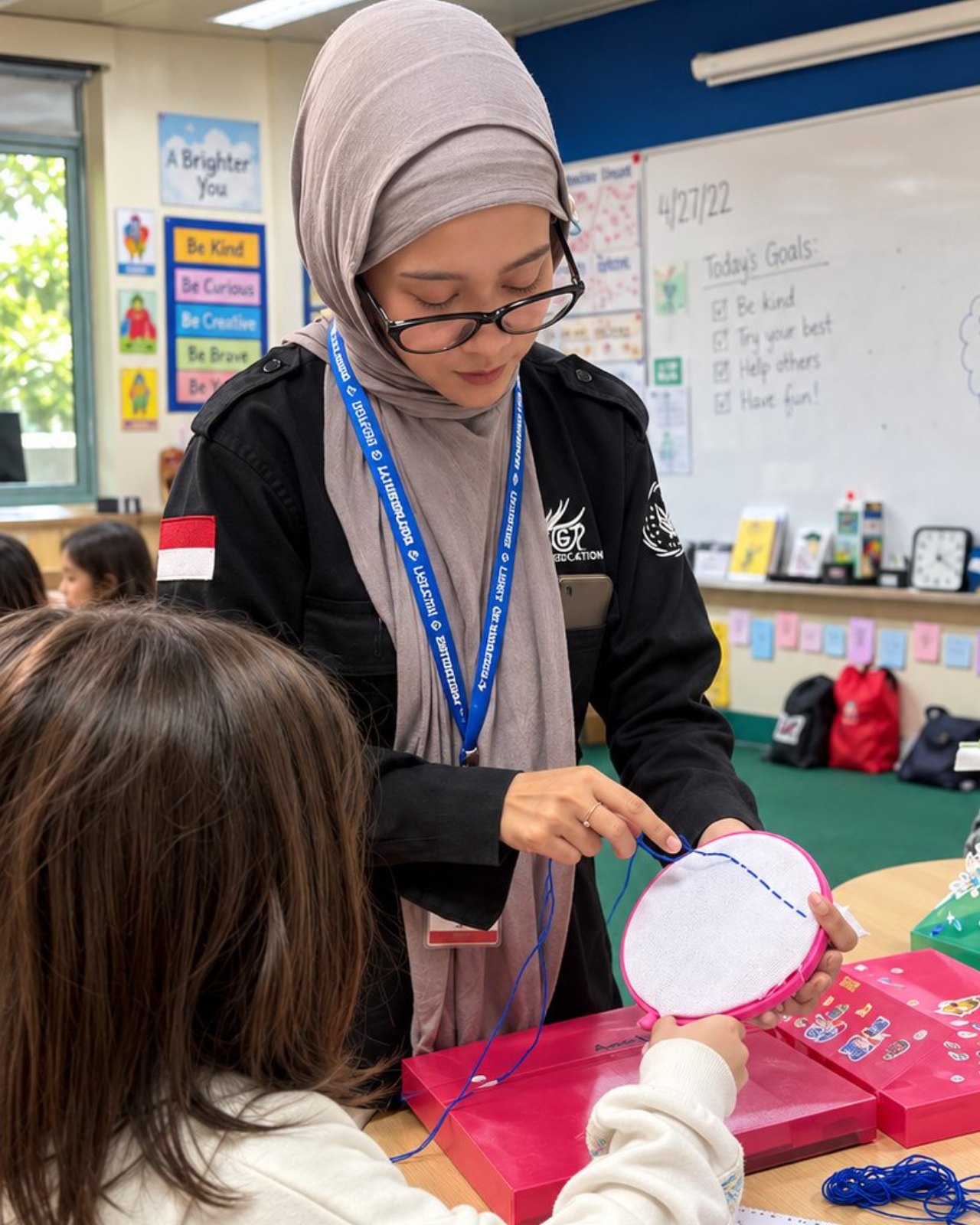 Photo: Fashion Design 1
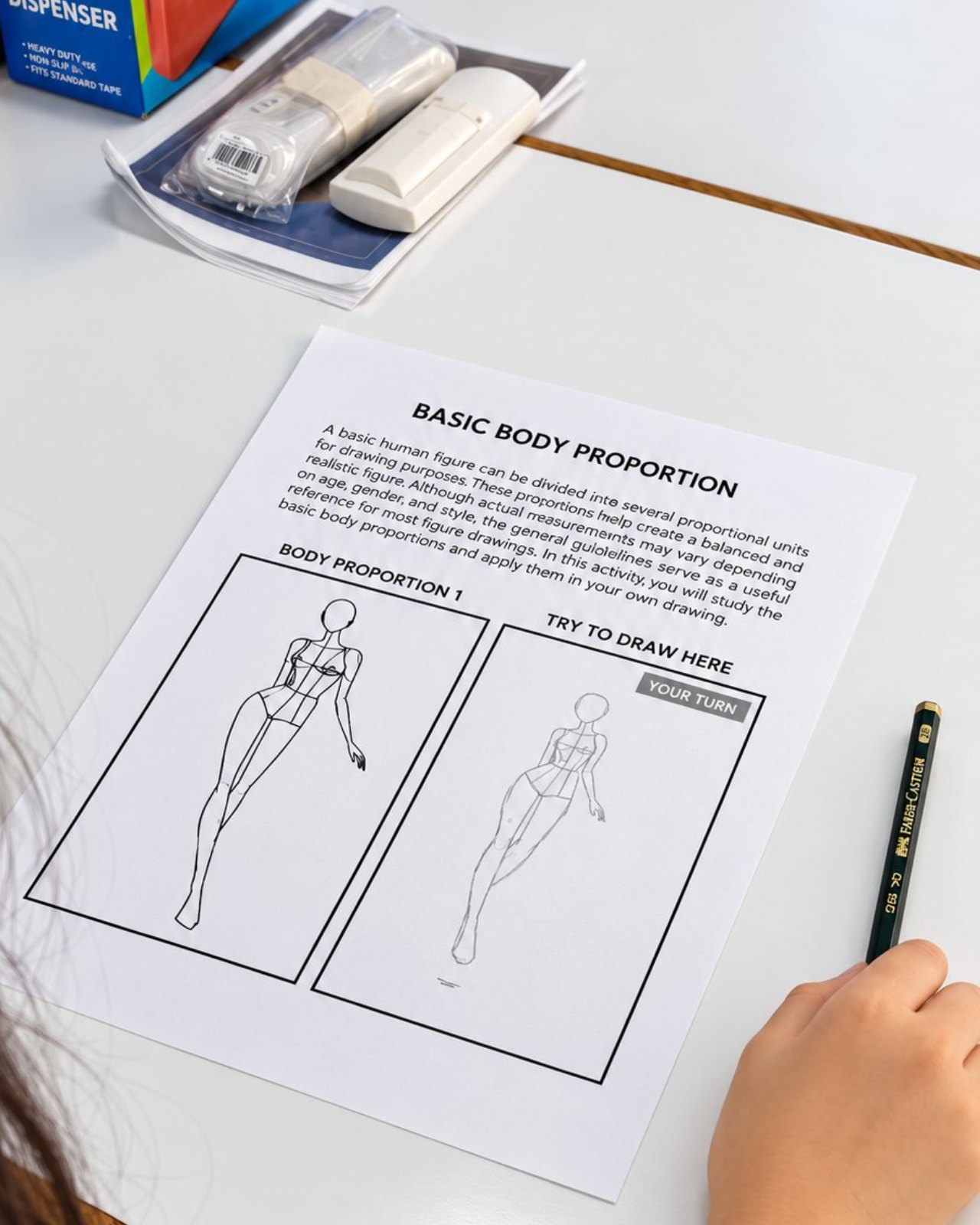 Photo: Fashion Design 2
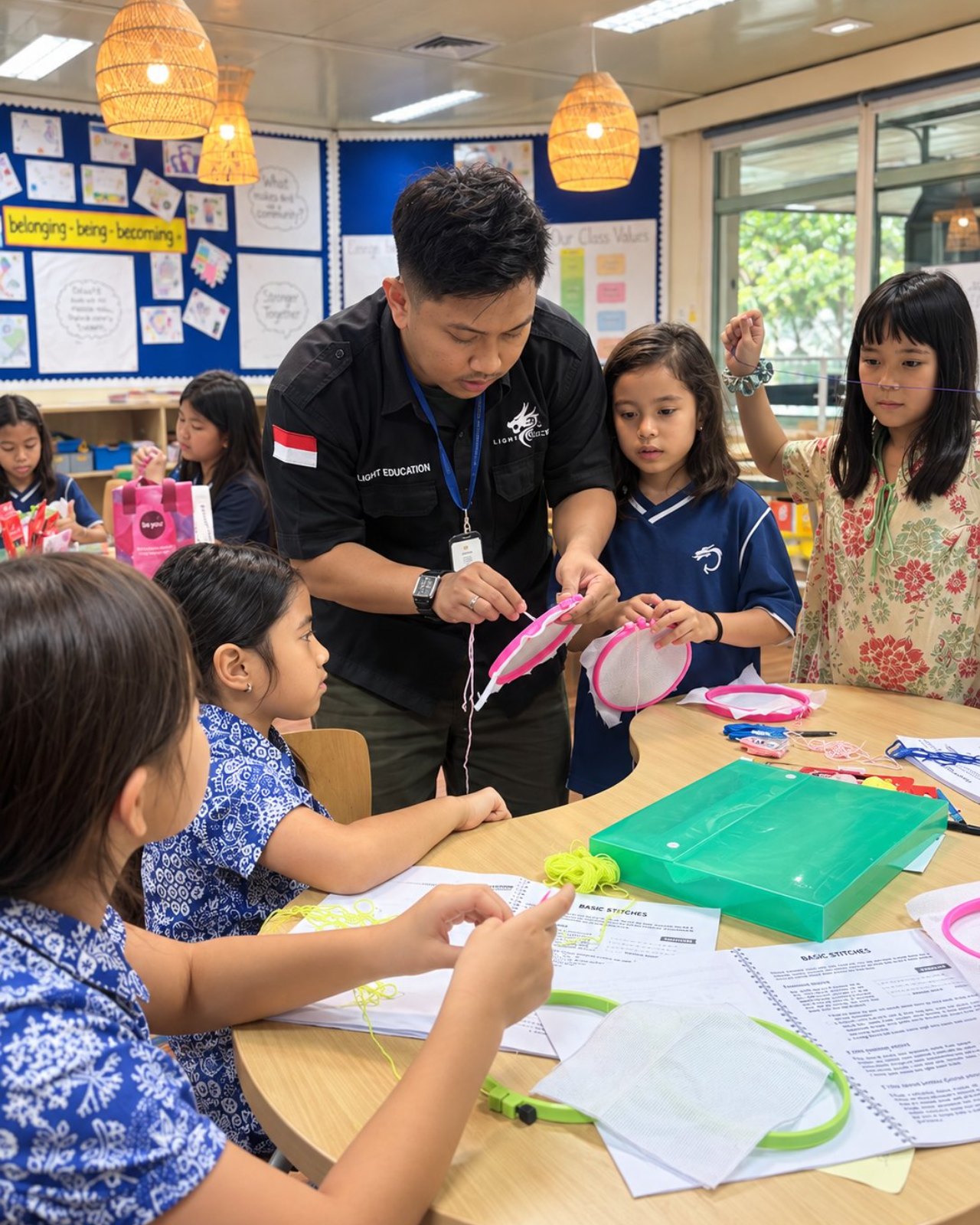 Photo: Fashion Design 3
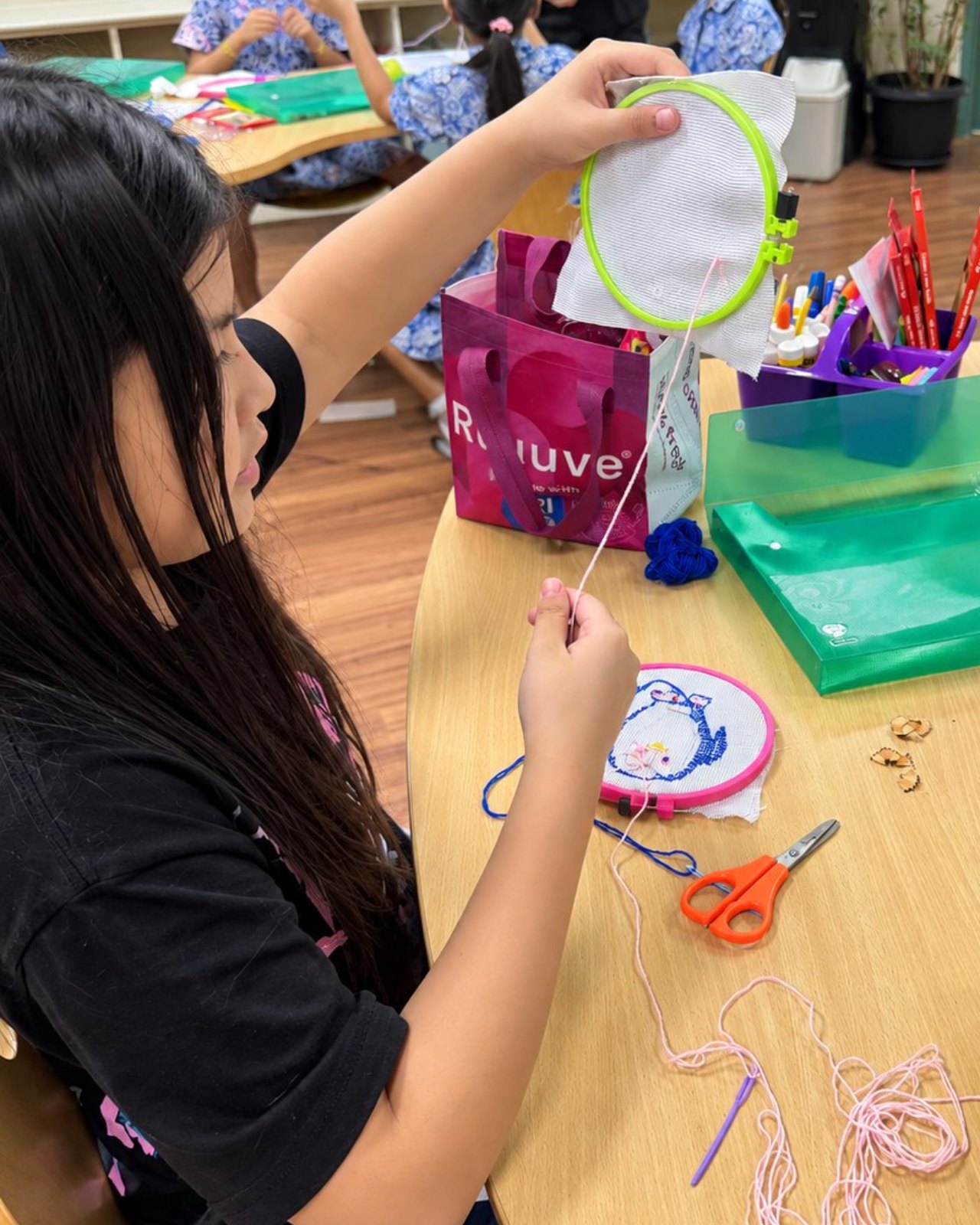 Photo: Fashion Design 4
 Photo: Fashion Design 5
Questions about Fashion Design
Does the school need a special room?
Classroom (and outdoor area for some activities).
What do students need to bring?
Computer & stable internet (online classes only).
How many students are in one class?
Capacity: 8–25/class (offline) · 50 (online). One teacher guides 4–10 students; up to 20 students get two teachers; above 20 a second class opens. Extra teachers at no cost.
How long do students stay in this programme?
There are 12 levels in four stages: Beginner 1–2, Basic 1–6, Intermediate 1–2 and Advance 1–2. One level is one semester (16 sessions) with its own book, so students can continue for years.
How is it different for kindergarten and high school?
The path is the same, but the starting point, pace and depth of work differ. Kindergarten starts in Beginner; new students from elementary to high school start in Basic 1, with middle and high schoolers moving faster and more independently. See "For every school level".
Is there a class for parents or teachers?
Yes. Adult classes are custom-built with the school: topics, number of sessions and schedule are agreed together. Participants who want to continue can move on to the Intermediate stage.
Which tools and materials are used?
Beginner uses paper dolls, felt and lacing cards, with no needles. Basic is hand sewing with needle, thread, fabric and the teacher's patterns. Intermediate and Advance use a sewing machine under teacher supervision.
Can the class run online?
Yes. Classes run offline at school, and an online version is also available.
Can the school try it first?
Yes. We run a free demo class or ASA Expo at your school before enrolment opens.